
A Practical Guide to Identifying Hidden Assets in APAC

Uncovering hidden assets across Asia Pacific (APAC) requires more than just database access—it demands investigative depth, local cultural context, and a forensic understanding of cross-border corporate gymnastics. Whether for debt recovery, divorce proceedings, or post-judgment enforcement, the trail is rarely linear.
How to Identify Forced Labor in Southeast Asian Supply Chains: 7 Key Labor Risk Indicators

In this article, we have outlined 7 key indicators out of the 11 ILO Forced Labour indicators to understand how they manifest in practice, why they persist, and what operational or legal signs companies and auditors can watch for to identify forced labour risks in supply chains.
How to Interpret “No Adverse News” in Due Diligence Report

When a due diligence report says “no adverse news”, it can be tempting to assume the subject — whether a vendor, executive, or investment target — is risk-free. But in many high-risk or low-transparency markets, that phrase often reflects limited access to data, not proof of integrity.
Beyond the Checklist: How to Onboard Vendors in High-Risk ESG Jurisdictions

As global supply chains expand into Southeast Asia, Sub-Saharan Africa, and Latin America, the pressure to maintain “responsible sourcing” has never been higher. In these regions, structural challenges—weak regulatory enforcement, informal labor markets, and political interference—make ESG due diligence complex.
How to Use Social Media Ethically in Corporate Investigations
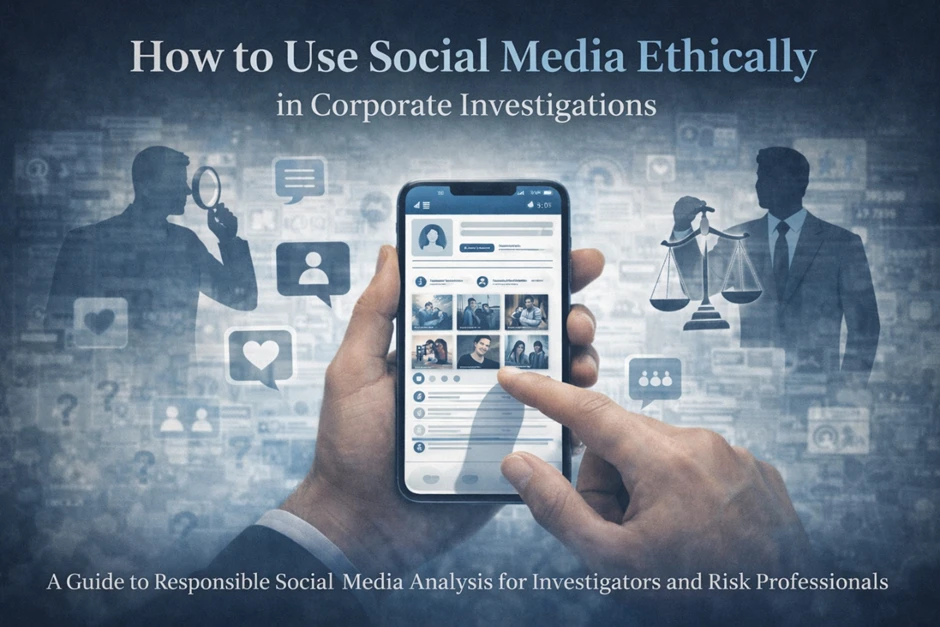
As social platforms become central to modern life, social media analysis has become a powerful tool in corporate investigations, background checks, and digital due diligence. Public posts, affiliations, and behavioral traces offer context into subjects that might not be visible through official records alone.
Executive Integrity: How to Vet Senior Executives in Sensitive Roles

Across Asia, many organisations have learned — sometimes only after a crisis — that the most damaging leadership failures occur not because a candidate lacked experience, but because their decisions misaligned with the realities of a critical role.
Market Entry Due Diligence: 7 Key Risks to Assess Before Expanding into Asian Markets
Expanding into Asia’s emerging markets — whether in India, Vietnam, Indonesia, Bangladesh, or the Philippines — is a compelling strategy for global growth. These regions offer fast-growing consumer bases, improved digital infrastructure, and a strong appetite for foreign investment.
PEP Onboarding: Best Practices for Screening, Enhanced Checks, and Ongoing Monitoring
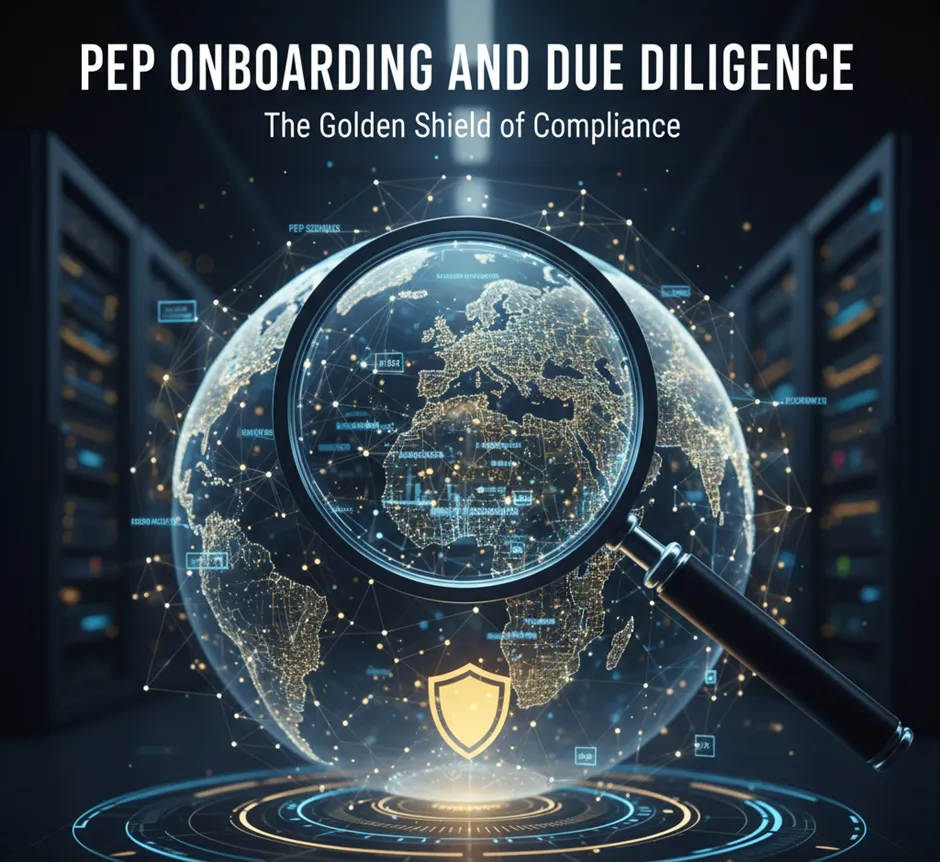
Politically Exposed Persons (PEPs) present unique compliance and risk challenges for firms across sectors—whether financial services, professional services, supply chain partners, or corporate investors. PEP status isn’t an accusation of wrongdoing; it’s a regulatory flag that requires enhanced due diligence (EDD) because of the increased potential for corruption, bribery, or financial crime risk.
Investing in Asia’s Family Powerhouses: A Due Diligence Roadmap
Family-owned businesses form the backbone of South and Southeast Asian economies. However, unlike Western firms that often separate ownership from management, Asian family firms are frequently driven by patriarchal leadership, relational power, and informal governance.