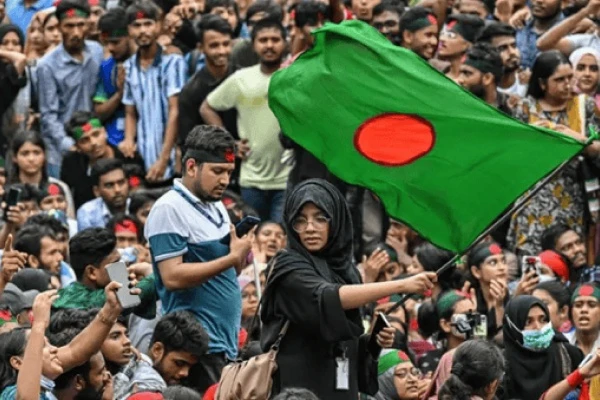
Last week, Indonesia was thrust into crisis when violent protests erupted over perks granted in a new allowances package for lawmakers.
The unrest—sparked by the killing of a 21-year-old ride-hail driver by police—quickly spread beyond Jakarta to at least 15 cities, including Surabaya, Makassar, Yogyakarta, and Palembang. Protesters torched parliament offices, looted luxury stores, and set fire to politicians’ homes—among them, the residence of Finance Minister Sri Mulyani.
In response, the government revoked the controversial perks and called in military reinforcements. But this was more than a flashpoint—it exposed systemic fractures in the political and economic order.
Tax hikes, soaring youth unemployment, and perceived erosion of democratic norms are fuelling growing public discontent.
- In March 2025, the government passed a controversial law expanding the military’s role in governance, reminiscent of former President Suharto’s “dwifungsi” or dual-function doctrine era. Critics viewed this as a backdoor to military normalization in politics, raising alarms about democratic backsliding. Moreover, Prabowo’s leadership style—marked by strongman rhetoric, centralized decision-making, and the marginalization of civil society— left little room for participatory governance.
- Later in May, the government raised property taxes across Java, increasing business and real estate costs. In some districts, taxes increased by 100 to 200%, with some claims of increases reaching up to 1,000%. These changes hit disposable income and consumer demand, especially following subsidy cuts. Subsequent pay raises for lawmakers worsened public anger and fuelled doubts about the government’s choices.
- Despite a 5.12% GDP growth rate in Q2 2025, the recovery is uneven. The IMF reports a 5.1% unemployment rate overall and 15.34% among 20–24-year-olds, indicating that many young people struggle to find work after completing their education. Rising food and housing costs have reduced real incomes, especially for informal and gig workers.
With above root tensions in mind, the implications for investors and businesses are manifold.
Implications for Businesses and Foreign Investors
Political Risk: The protests, though spontaneous, may act as a catalyst for opposition forces to consolidate. Regional leaders and party factions may begin to distance themselves to preserve their own legitimacy ahead of local elections. If unrest resurfaces or spreads, Prabowo could face pressure not just from the streets, but from within his own political camp—potentially threatening legislative cohesion and policy momentum. If Prabowo is seen as both repressive and ineffectual, this discontent could translate into a more organized political challenge ahead of the 2029 election cycle—or even earlier.
Regulatory and policy risk: Expect short-term populist measures—such as subsidy expansions or tax rollbacks—that may shift quickly as the government responds to political pressure. Long-term investors should watch for regulatory U-turns or delayed structural reforms.
Reputational and social license challenges: Multinational and domestic firms may face scrutiny if perceived as aligned with elite interests. Community engagement, labor practices, and social equity will become critical to operational continuity.
Capital market sentiment: While investor panic has cooled, confidence remains fragile. Further unrest or signs of democratic erosion could trigger renewed selloffs or dissuade foreign investments. Sectors tied to consumer confidence, retail, infrastructure, and state contracts are most exposed.
While Indonesia’s macroeconomic fundamentals remain intact, the unrest signals a more volatile and politically sensitive operating environment ahead. The coming months will be shaped by how the government navigates economic relief, political reform, and social appeasement.